
Chapter 01 · Exotics and Superfoods
Imported Avocados in India




PR Agrifresh imports Hass avocados into India from New Zealand and South Africa between March and November. Known in India as makhanphal, avocado has gone from a restaurant ingredient to a listed retail line in under a decade — and it remains the category where the gap between a good supplier and a poor one shows up fastest.
- Origins
- New Zealand · South Africa
- Season
- March — November
- Handling
- Temperature controlled
Chapter 02 · Character
Hass — the trade standard
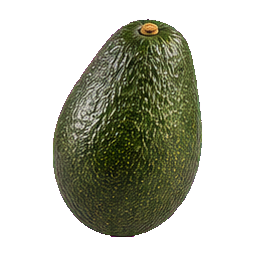
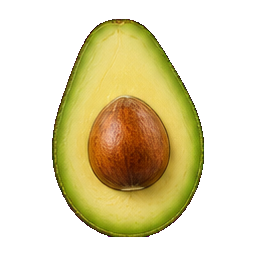
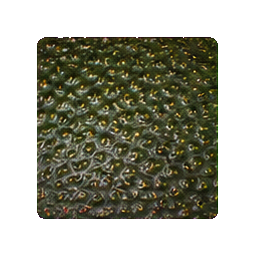
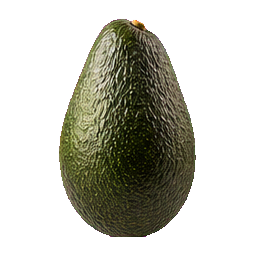
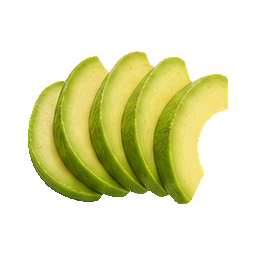
Hass accounts for the large majority of avocados traded internationally, and for good reason. The flesh is rich and nutty with high oil content, the seed is small relative to the fruit, and the pebbled skin is thick enough to survive a long voyage without bruising.
Chapter 03 · Product detail
Ripening — where avocado programmes succeed or fail
Its most useful commercial property is that the skin darkens from green to near-black as the fruit ripens. That colour change gives retailers and consumers a visual ripeness cue that green-skinned varieties simply do not provide — which is why Hass dominates modern retail and why any avocado programme in India should be built around it.

- 01Whole form
- 02First reveal
- 03Structure
- 04Prepared detail
- 05Interior focus
Chapter 04 · Inside
Season and origins

Natural structure
Fresh visual cues
Chapter 05 · Selection
Avocado price in India
- 01
Dry matter at harvest — the standard maturity measure for avocado and the best predictor of how the fruit will eat once ripe. Under-mature fruit never ripens properly, it just shrivels
- 02
Skin integrity — free of scarring, lenticel damage and pressure marking, all of which show through as the fruit darkens
- 03
Firmness at packing, measured so the ripening window can be planned
- 04
Count uniformity within the tray so retail pricing works
- 05
Seed size relative to flesh — a small seed is a large part of the value proposition
- 06
Absence of internal disorders — vascular browning and flesh discolouration are invisible until the fruit is cut
Chapter 06 · Origin to arrival
What we select for
Avocados do not ripen on the tree. They mature on it and only begin to soften once picked, which is what makes six weeks at sea possible. It also means every avocado in a container is sitting somewhere on a clock, and the buyer's job is to have that clock finish at the right moment.
- 01
Orchard
- 02
Harvest
- 03
Selection
- 04
Packing
- 05
Cold storage
- 06
Shipping
- 07
Arrival
- 08
Distribution
Product gallery
Hass — the trade standard
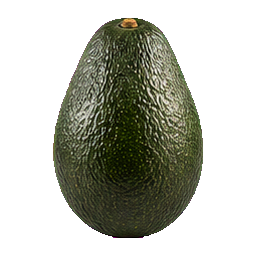
Hass accounts for the large majority of avocados traded internationally, and for good reason. The flesh is rich and nutty with high oil content, the seed is small relative to the fruit, and the pebbled skin is thick enough to survive a long voyage without bruising.
Its most useful commercial property is that the skin darkens from green to near-black as the fruit ripens. That colour change gives retailers and consumers a visual ripeness cue that green-skinned varieties simply do not provide — which is why Hass dominates modern retail and why any avocado programme in India should be built around it.
Ripening — where avocado programmes succeed or fail
Avocados do not ripen on the tree. They mature on it and only begin to soften once picked, which is what makes six weeks at sea possible. It also means every avocado in a container is sitting somewhere on a clock, and the buyer's job is to have that clock finish at the right moment.
The failure modes are symmetrical and both expensive. Fruit that reaches the shelf hard sits for days and gets marked down before it is ready. Fruit that ripens in transit arrives soft, bruises in handling and is unsellable within a day or two. Between those two is a window of a few days, and hitting it is the entire skill.
Serious programmes handle this in one of two ways: fruit held cold and ripened close to point of sale, or pre-conditioned fruit delivered ready to eat, which suits food service and quick-turn retail. Which approach fits depends on your rotation, and it is worth deciding before the first order rather than after the first write-off.
Season and origins
Imported avocado is available March to November, peaking around July. The two origins are counter-seasonal to each other, which is precisely why both sit in the programme.
| Origin | Window | Character |
|---|---|---|
| South Africa | March — September | The main southern-hemisphere window. Strong Hass volume with rigorous export grading |
| New Zealand | Roughly August — November | Counter-seasonal supply covering the late window. High dry matter, premium positioning |
Avocado price in India
Avocado wholesale price in India moves with origin, count size, grade, dry matter, ripeness stage and arrival week. Count size matters more here than on most fruit — a 16-count and a 24-count tray are entirely different products commercially, and food service and retail typically want opposite ends of that range.
Pre-conditioned ready-to-eat fruit prices above hard green fruit, because the ripening step and the risk have been taken on before delivery. We quote per consignment against a specification rather than publishing a rate card. Send count size, ripeness requirement, monthly volume and delivery city for current landed pricing.
What we select for
- 01
Dry matter at harvest — the standard maturity measure for avocado and the best predictor of how the fruit will eat once ripe. Under-mature fruit never ripens properly, it just shrivels
- 02
Skin integrity — free of scarring, lenticel damage and pressure marking, all of which show through as the fruit darkens
- 03
Firmness at packing, measured so the ripening window can be planned
- 04
Count uniformity within the tray so retail pricing works
- 05
Seed size relative to flesh — a small seed is a large part of the value proposition
- 06
Absence of internal disorders — vascular browning and flesh discolouration are invisible until the fruit is cut
Handling and cold chain
Avocados are carried at around 5 to 7°C, with the exact set point depending on variety, maturity at packing and the intended ripening programme. Below that range they suffer chilling injury, which appears as grey or brown flesh discolouration only when the fruit is cut — meaning the damage is invisible at arrival and surfaces at the consumer's kitchen counter.
Consignments are precooled at origin, moved under continuous temperature control and condition-checked before release into distribution.
Who buys imported avocado in India
Demand splits cleanly. Modern retail lists Hass as a premium health line and wants fruit that colours predictably on shelf. Restaurants, cafes and cloud kitchens want ready-to-eat fruit in consistent count sizes, because a chef cannot plan a menu around fruit that may or may not be usable on the day. Hotels and QSR groups sit between the two. As an avocado supplier in India we plan those programmes differently rather than shipping one specification to everyone.
Supply and pack formats
Supplied in original export trays and cartons across standard count sizes to distributors, wholesale traders at Vashi APMC and Azadpur mandi, modern retail chains, HoReCa and institutional buyers.
Frequently asked questions
What is a Hass avocado?
The dominant commercial avocado variety worldwide. Rich, nutty, high oil content, small seed and a pebbled skin that darkens from green to near-black as the fruit ripens, giving a clear visual ripeness cue.
When are imported avocados available in India?
March to November, peaking around July. South African fruit covers the main window and New Zealand fruit the later part of the season.
How do I know when an avocado is ripe?
Hold it in your palm and press gently with your whole hand rather than a fingertip — it should yield slightly without feeling soft. On Hass, the skin also darkens from green towards near-black as it ripens.
What is the wholesale price of avocado in India?
It depends on origin, count size, grade and whether the fruit is supplied hard or pre-conditioned. Send your specification and volume for a current landed quote.
Why do some avocados never ripen properly?
Almost always because they were picked before reaching maturity. Avocado maturity is measured by dry matter, and fruit harvested below the threshold shrivels rather than ripening, however long it is kept.
Continue exploring
Start a conversation
Bring premium avocados to your market
Tell us the count size, ripeness requirement and volume you need. Our teams in Navi Mumbai and Delhi will confirm availability and landed pricing.