
Plan across the seasons
Fruit Season Calendar for India, Month by Month
This is the availability calendar PR Agrifresh plans against: twelve imported fruit categories across twelve months, with peak windows marked. Use it to decide what to list, when to place orders and where the gaps in your shelf are going to appear.
12 fruits · 12 months · interactive reference
| Fruit | Jan | Feb | Mar | Apr | May | Jun | Jul | Aug | Sep | Oct | Nov | Dec |
|---|---|---|---|---|---|---|---|---|---|---|---|---|
 MandarinsYear-round MandarinsYear-round |
||||||||||||
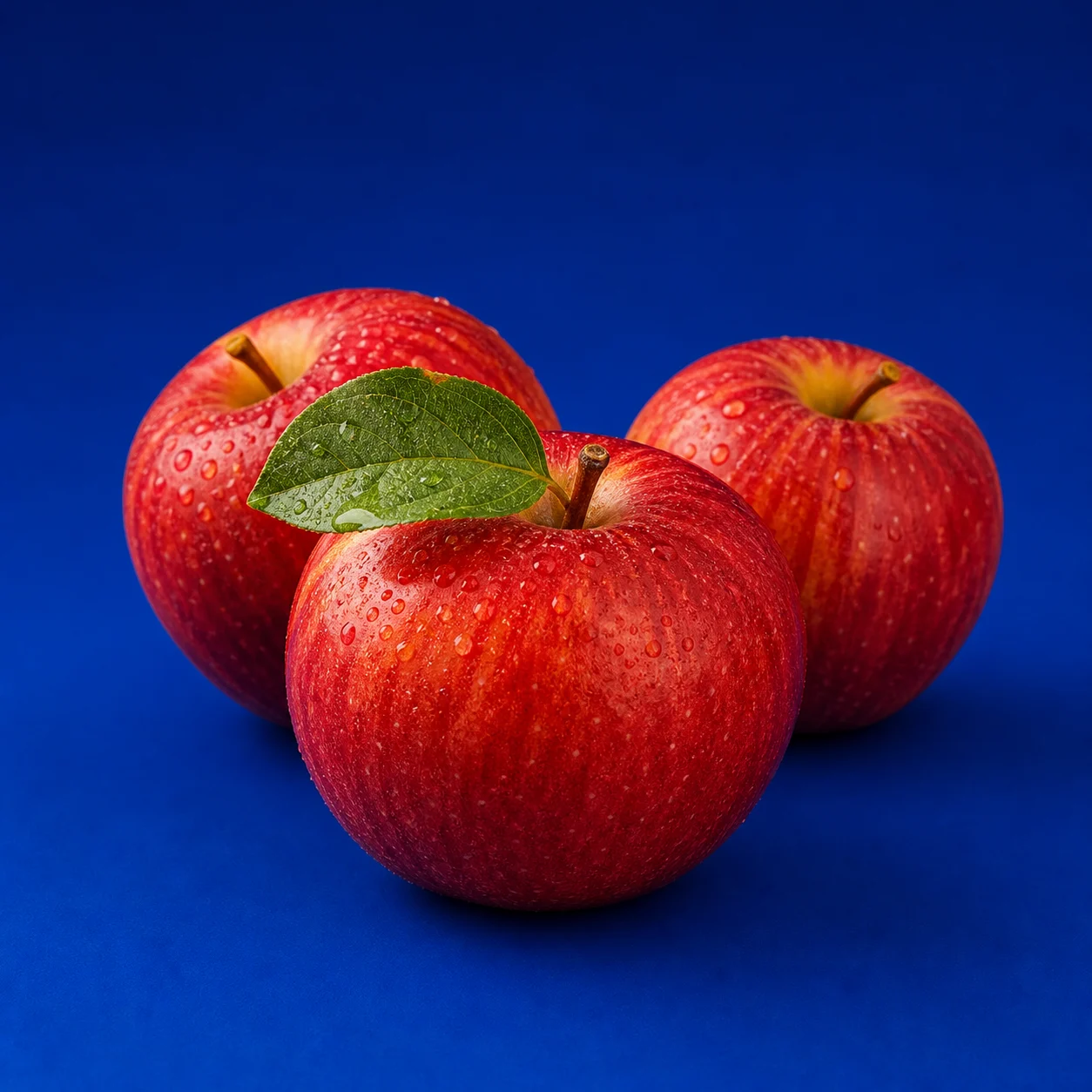 ApplesYear-round ApplesYear-round |
||||||||||||
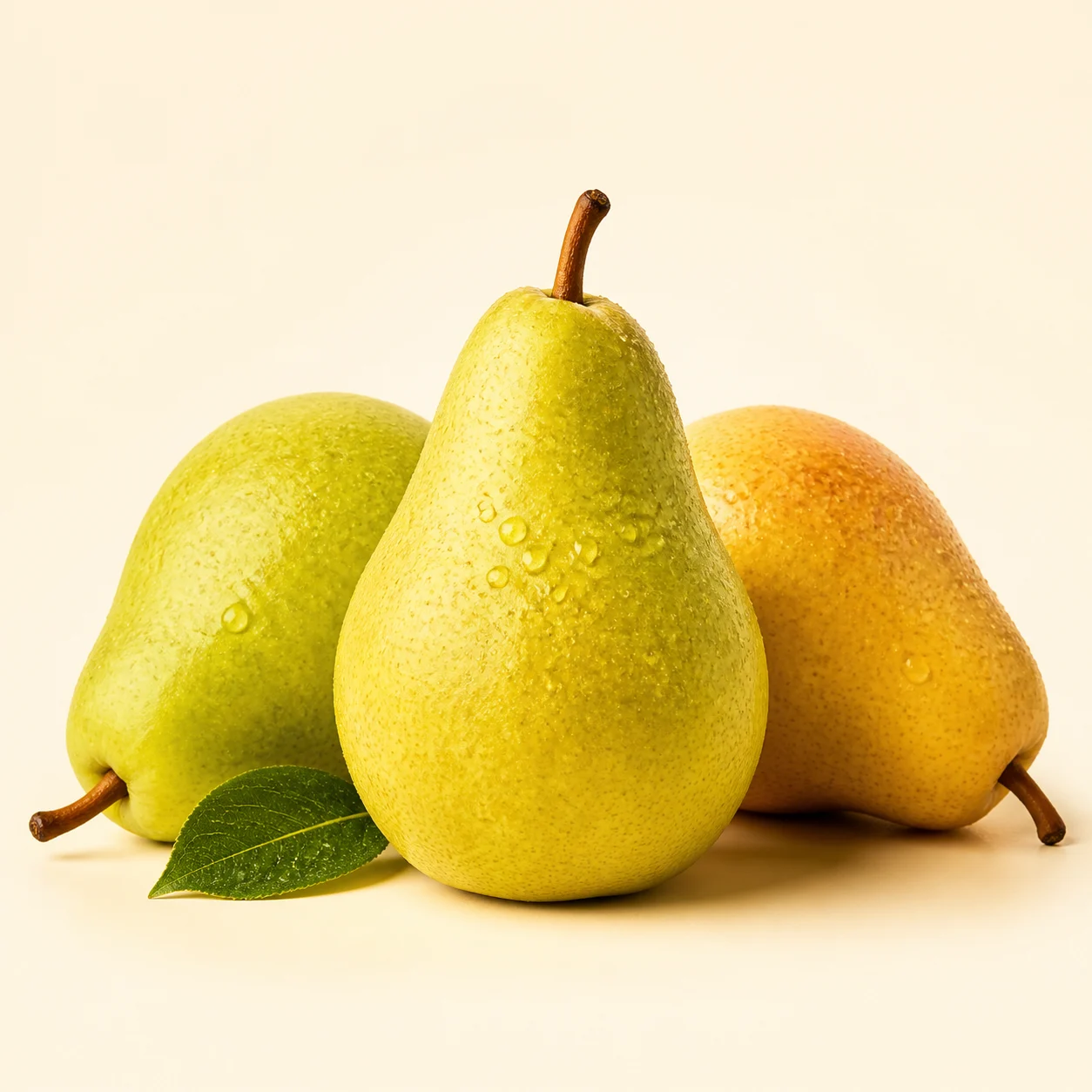 PearsJanuary — September PearsJanuary — September |
||||||||||||
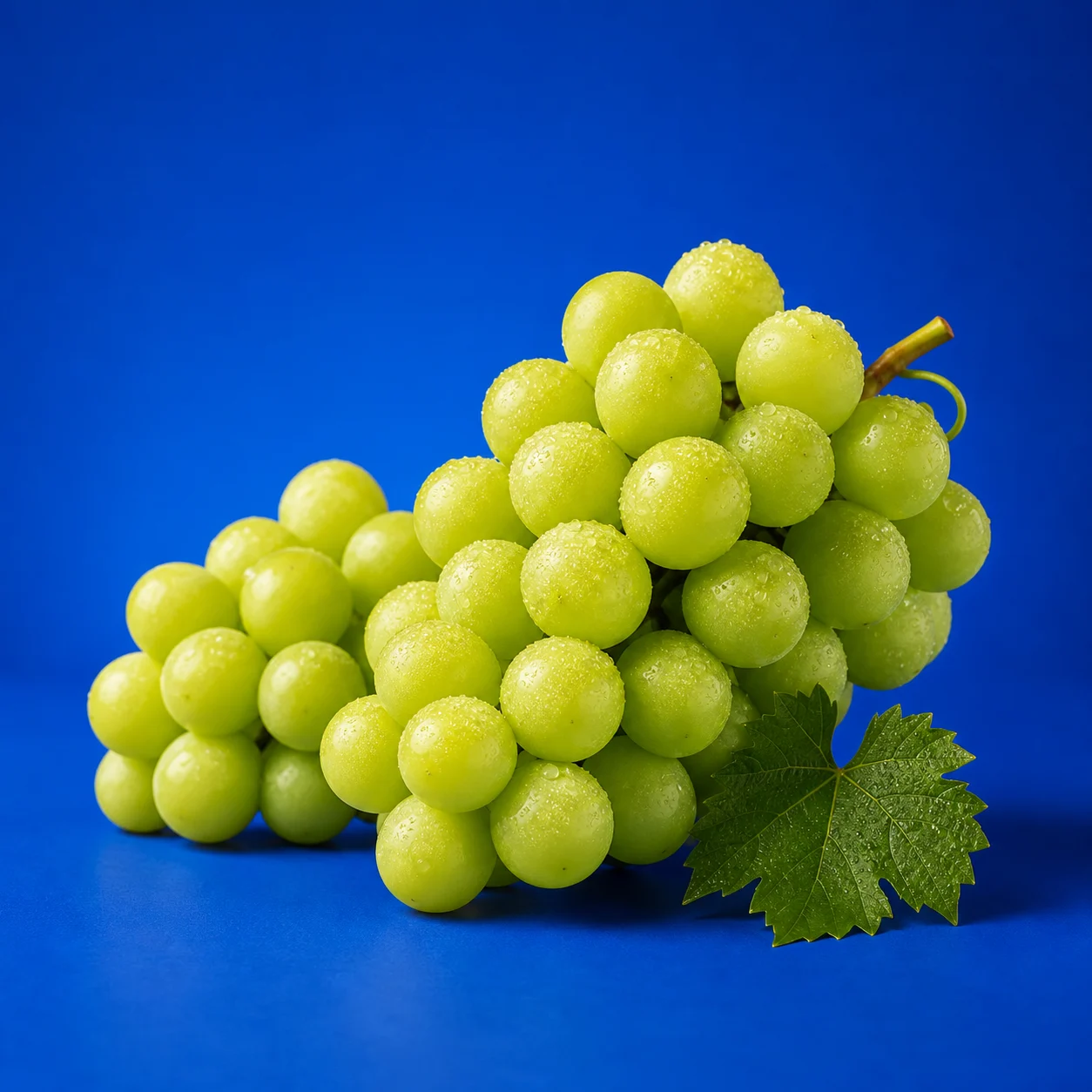 GrapesJuly — November GrapesJuly — November |
||||||||||||
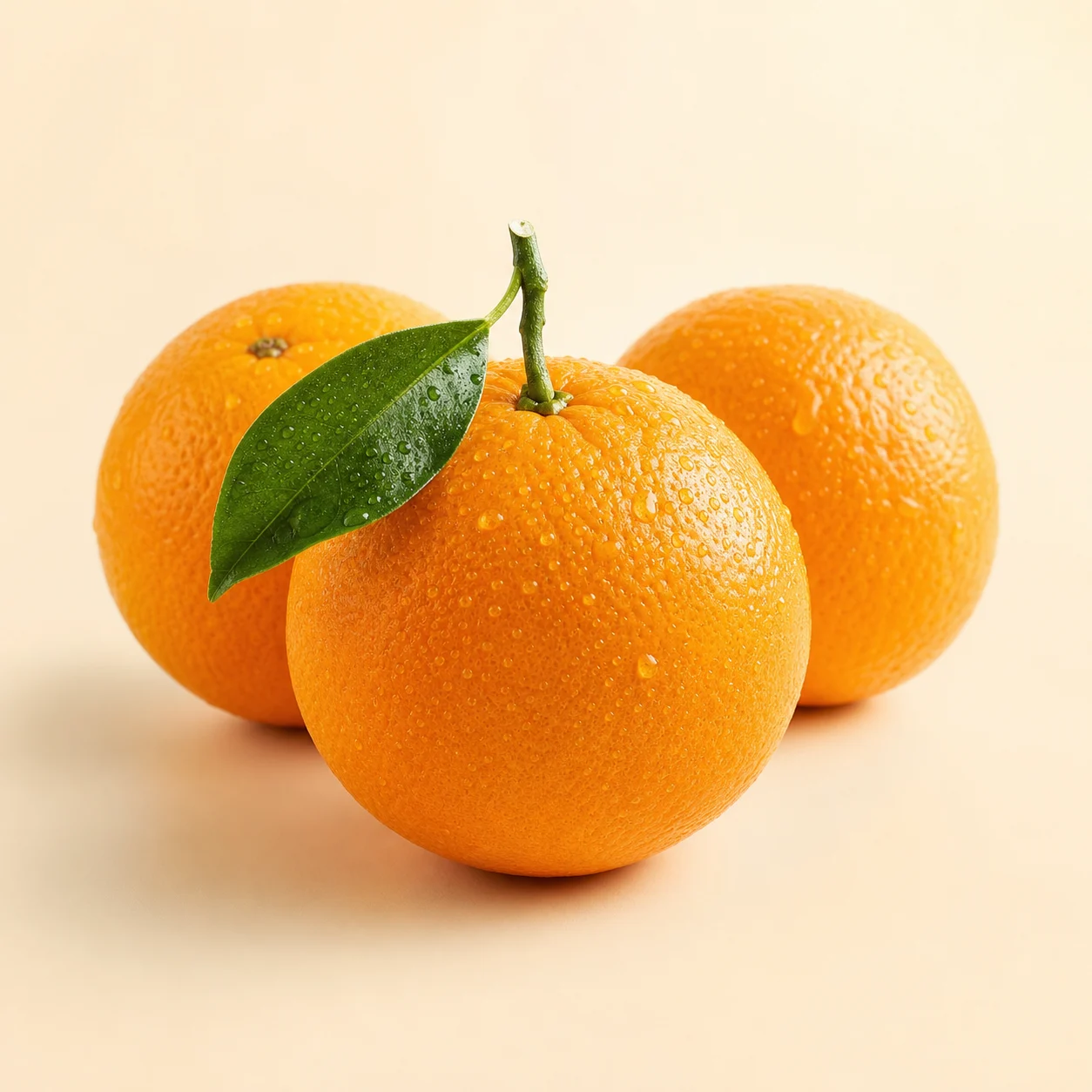 OrangesJanuary — September OrangesJanuary — September |
||||||||||||
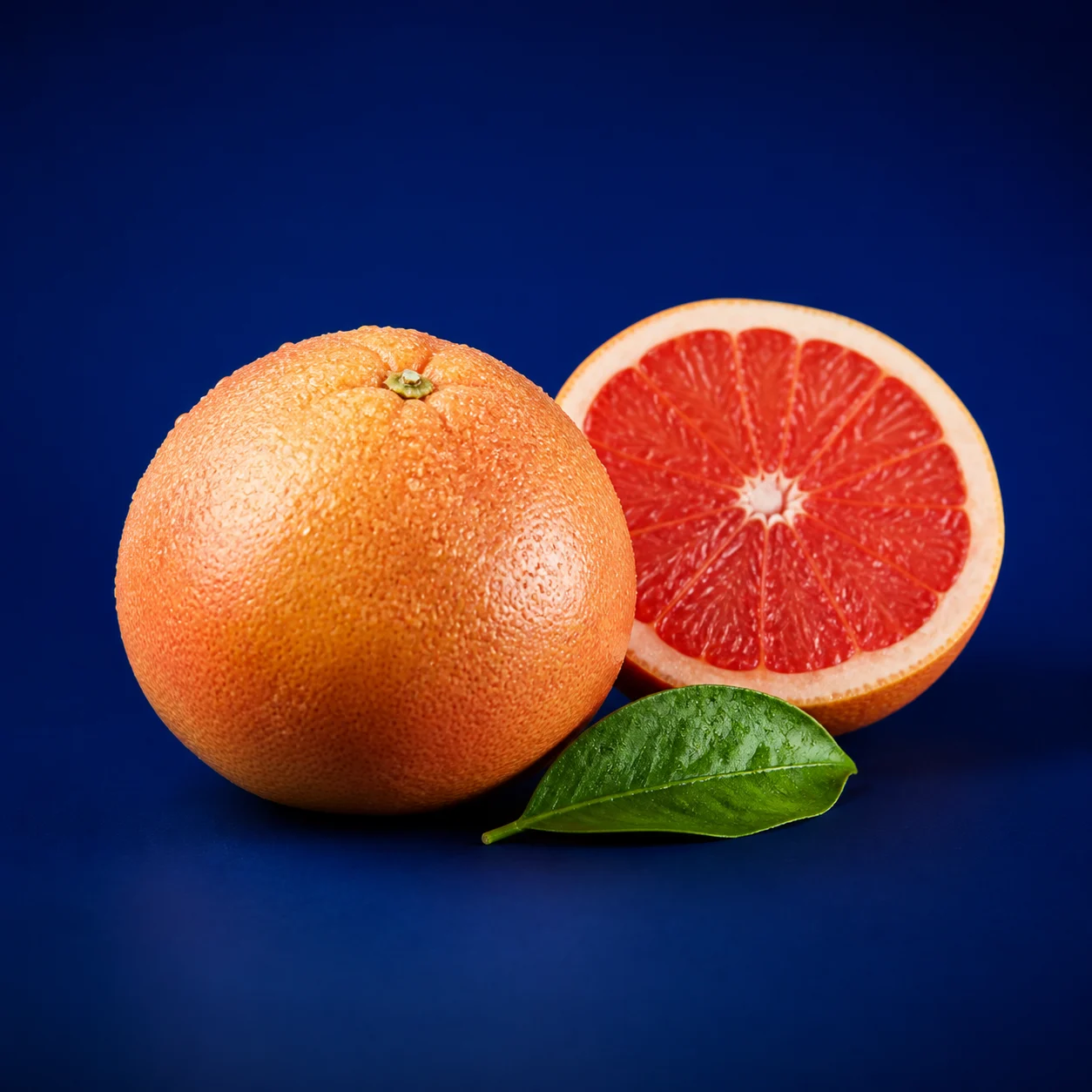 GrapefruitFebruary — August GrapefruitFebruary — August |
||||||||||||
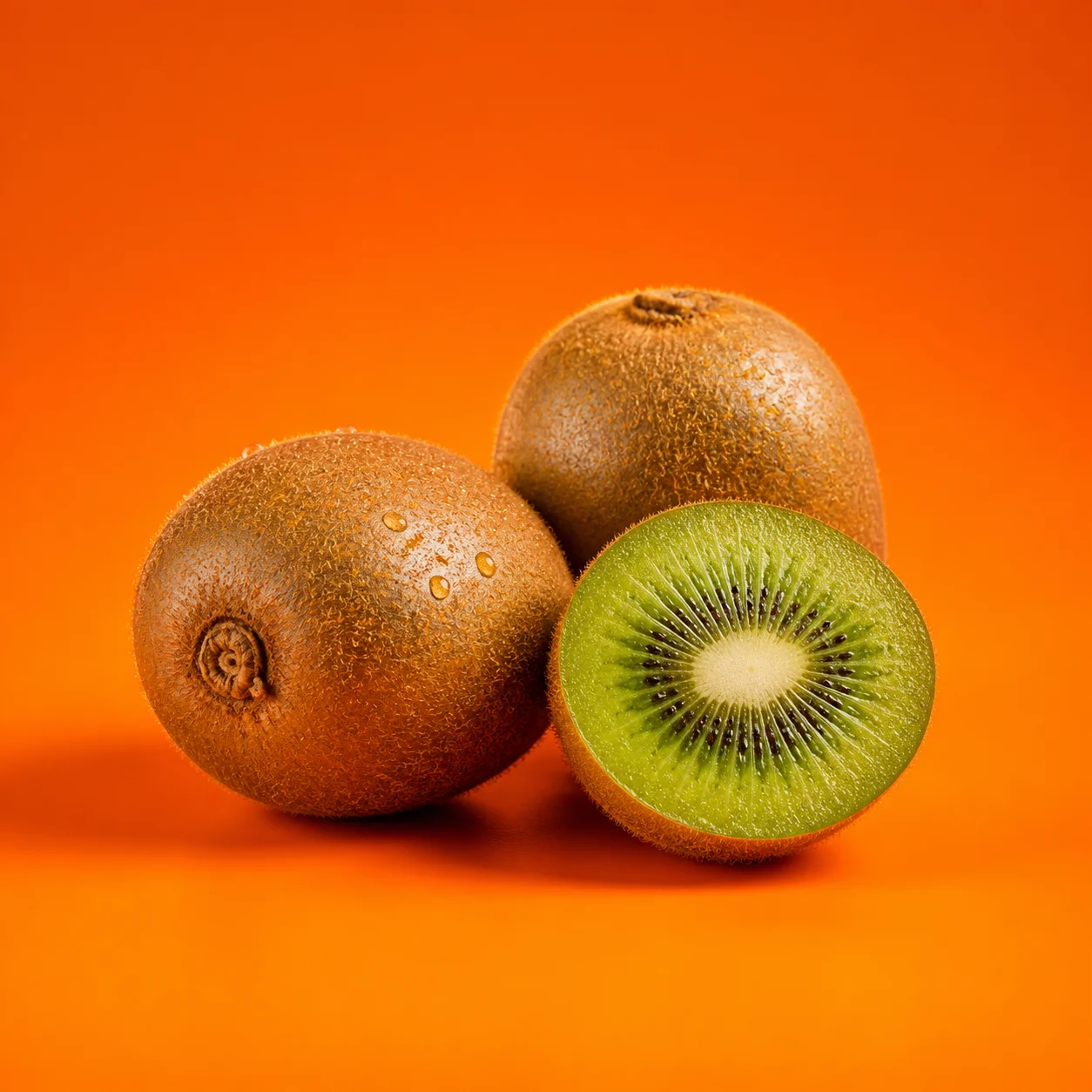 KiwisApril — December KiwisApril — December |
||||||||||||
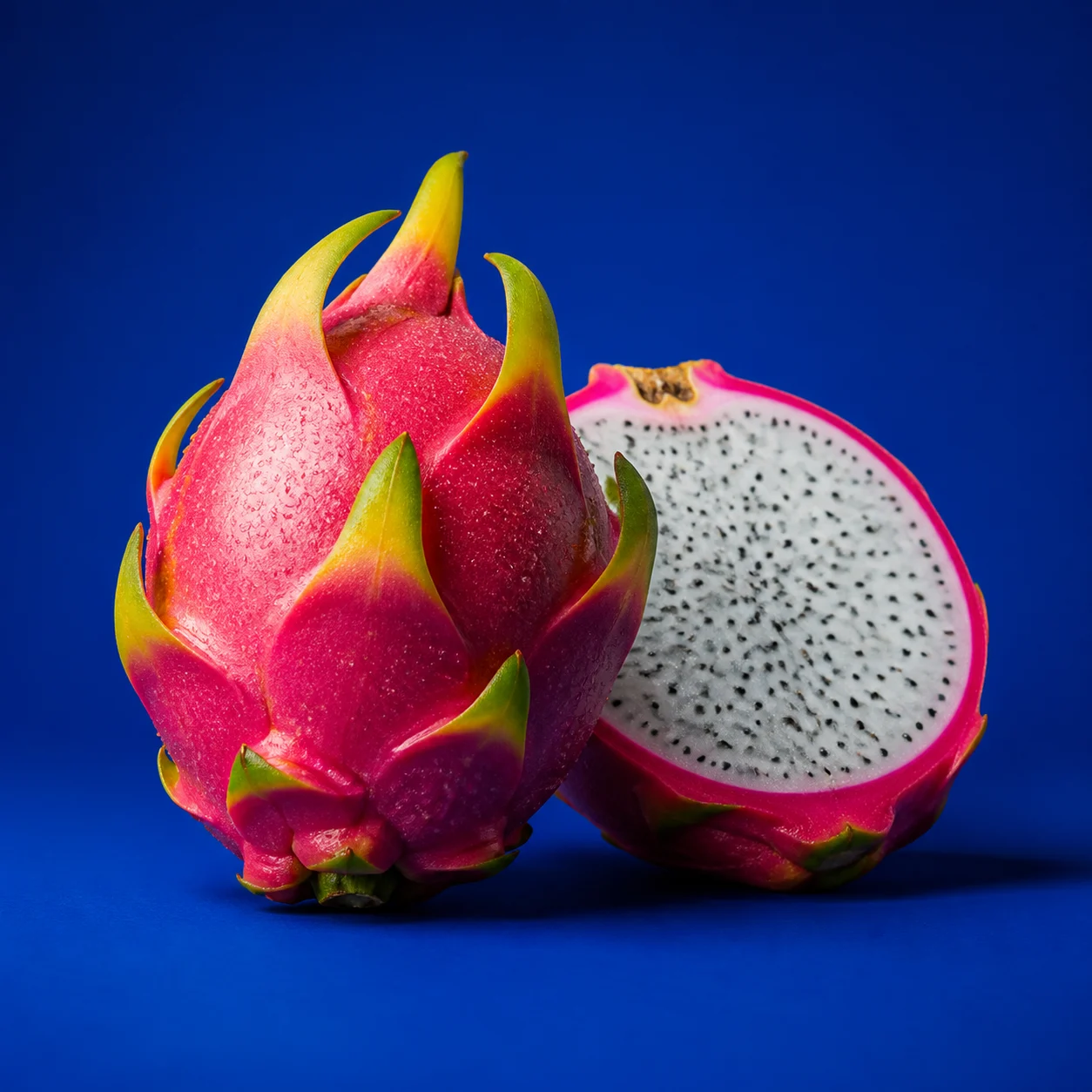 Dragon FruitYear-round Dragon FruitYear-round |
||||||||||||
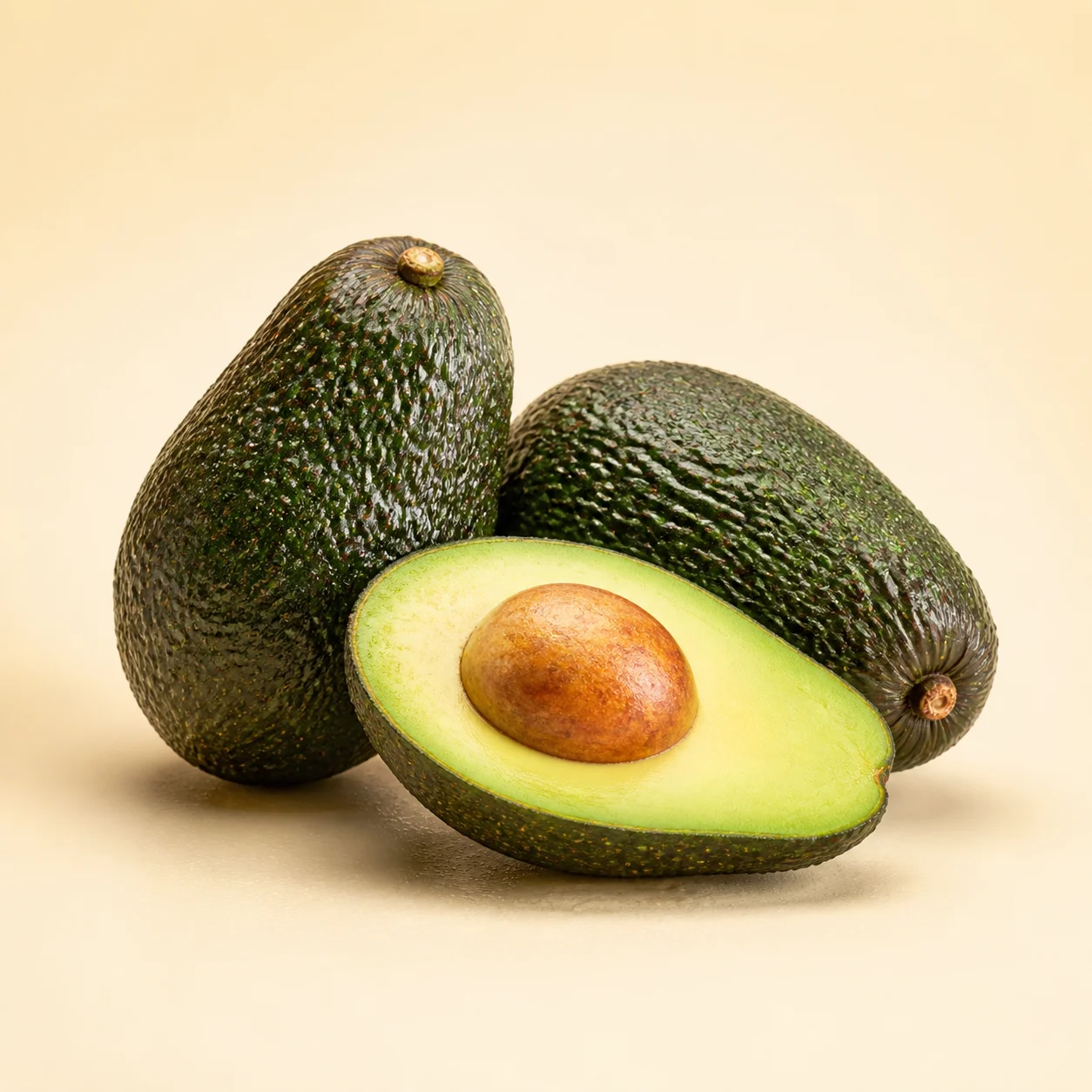 AvocadosMarch — November AvocadosMarch — November |
||||||||||||
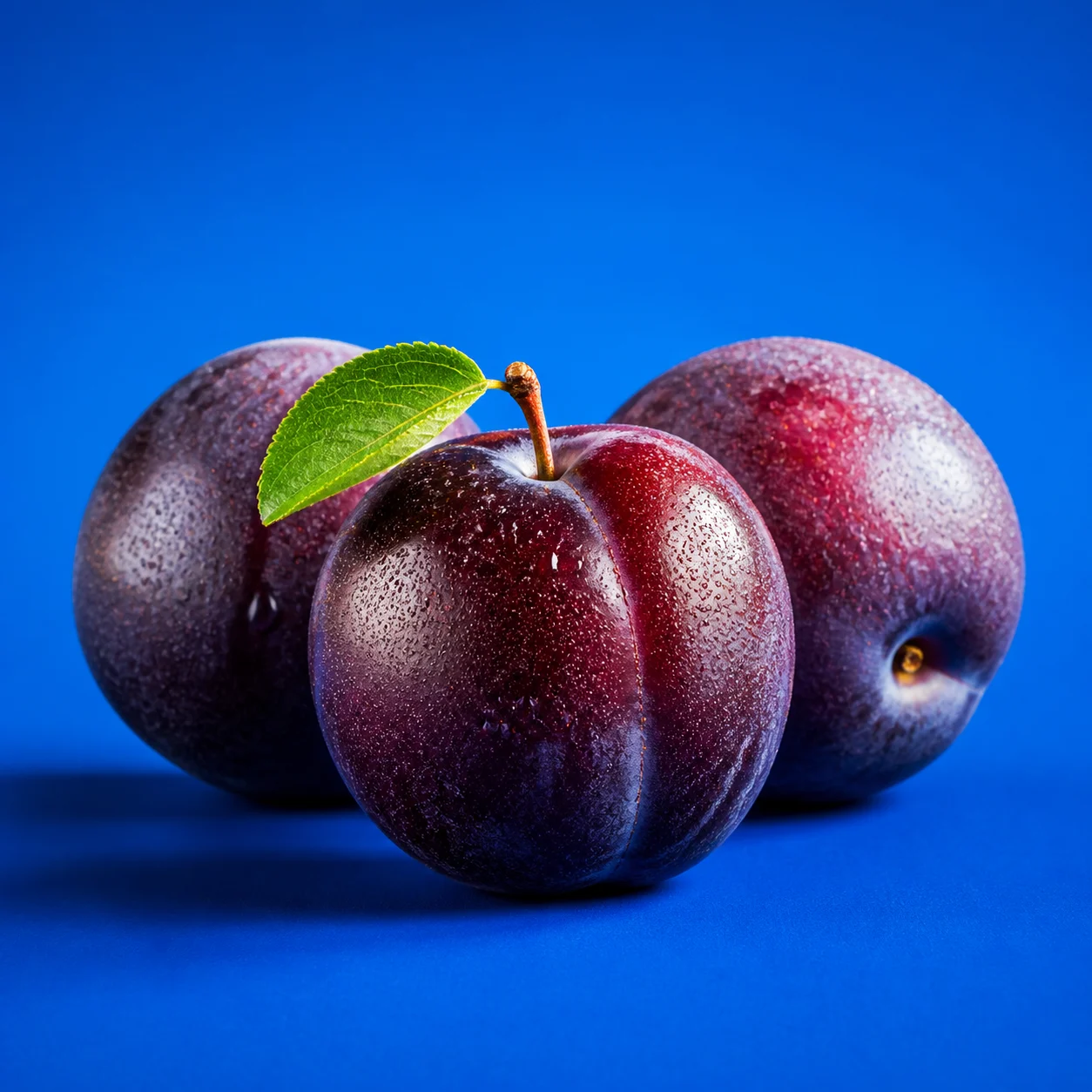 PlumsNovember — April PlumsNovember — April |
||||||||||||
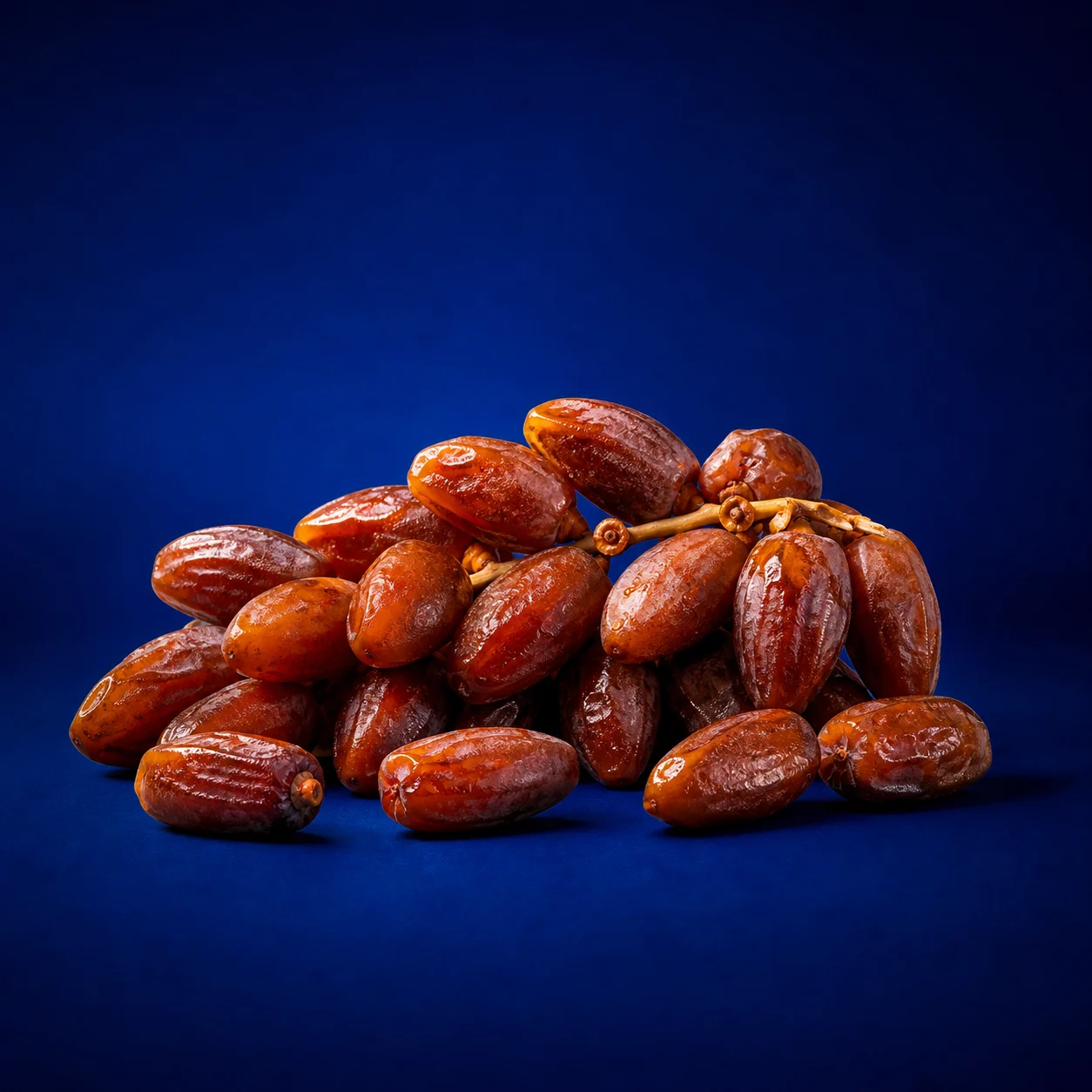 Wet DatesAugust — October Wet DatesAugust — October |
||||||||||||
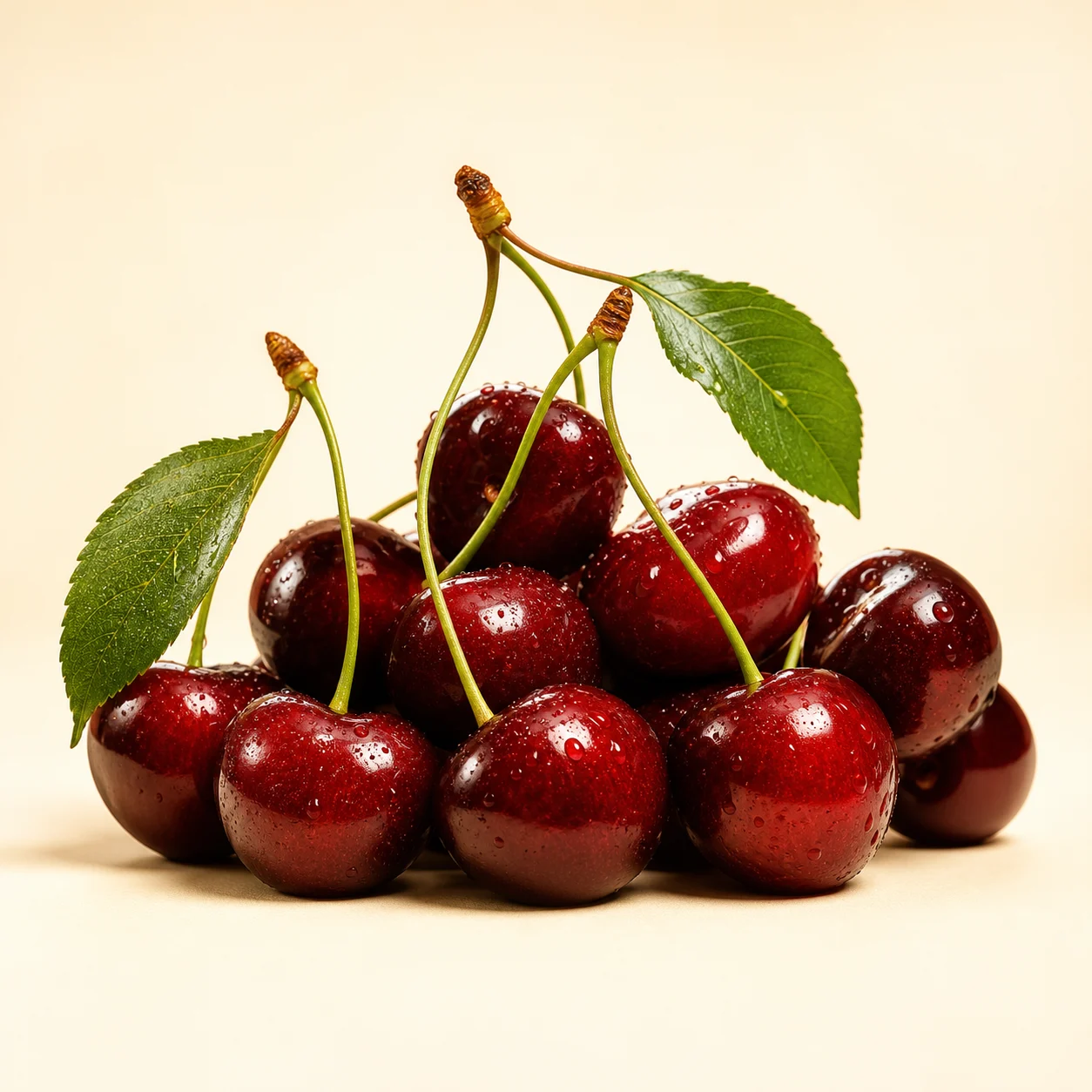 CherriesNovember — February CherriesNovember — February |
Availability levels are planning guidance derived from each fruit’s stated seasonal window. Actual supply may change with origin, crop conditions, programme and logistics. Contact our team to confirm current availability.
Why imported fruit has a different calendar to Indian fruit
India sits in the northern hemisphere, so domestic seasons cluster the same way every year. The southern hemisphere runs the opposite calendar — when it is winter here, it is harvest season in Chile, South Africa and New Zealand. That inversion is what makes off-season fruits in India possible at all.
It is why cherries land in December and January instead of the Himalayan summer, why plums are a winter fruit on an imported programme, and why premium mandarins are available right through the year long after kinnow and Nagpur santra have finished. A buyer working only from the Indian season calendar leaves eight months of the year unplanned.
The 12-month availability chart
| Fruit | Season window | Peak months |
|---|---|---|
| Mandarins | Year-round | China December to July, South Africa August to November |
| Apples | Year-round | Consistent across all months |
| Pears | January — September | May |
| Grapes | July — November | September |
| Oranges | January — September | May |
| Grapefruit | February — August | May |
| Kiwis | April — December | August to September |
| Dragon Fruit | Year-round | Consistent across all months |
| Avocados | March — November | July |
| Plums | November — April | January to February |
| Wet Dates | August — October | September |
| Cherries | November — February | December to January |
Windows are planning guidance. Actual supply shifts with origin, crop conditions, programme commitments and shipping schedules — confirm current availability with our team before committing to a listing.
Summer fruits in India — March to June
The heaviest imported window of the year. Mandarins, oranges, pears and grapefruit all hit peak in May, avocados climb through to a July peak, and kiwifruit begins in April. This is when southern-hemisphere citrus does the most work on Indian shelves, and when a retailer's imported category can carry its strongest share of total fruit sales.
Monsoon and late season — July to October
Grapes open in July and peak in September. Wet dates arrive August to October with demand concentrating around the festive and Ramadan calendar. Kiwifruit peaks August to September, and South African mandarins hold through to November. Handling discipline matters most in these months — high ambient humidity is unforgiving of any break in the cold chain.
Winter fruits in India — November to February
The premium window. Cherries land November to February with a December-January peak that coincides with the gifting season, and plums run November to April peaking in January and February. Grapes finish in November. This is the shortest, sharpest and most profitable stretch of the imported fruit year, and also the least forgiving — cherries in particular allow almost no margin for delay.
Year-round categories
Apples and dragon fruit are available every month. Apples rotate between Italy, Poland, New Zealand and South Africa so that as one origin's controlled-atmosphere stock runs down, the next hemisphere's harvest begins. Dragon fruit from Vietnam produces across multiple cycles a year. These two categories are what hold an imported fruit programme together between seasonal peaks.
How far ahead to plan
A season window is not an order window. Sea freight from Chile or New Zealand runs several weeks door to port, and the fruit has to be committed at origin before it is picked. In practice that means a buyer planning a December cherry promotion is having the conversation in September, and a retailer planning a May citrus push is fixing volumes in February.
The categories with the shortest seasons need the longest lead time. Cherries and wet dates leave almost no room to react; apples and dragon fruit can be topped up close to the date. Build your calendar backwards from the shelf date, not forwards from the harvest.
Variety-level shipping windows
For apples and pears we also publish week-by-week shipping windows by variety, drawn from CoreFruit's published export calendar. If you are planning at variety level rather than category level — Royal Gala versus Pink Lady, Forelle versus Packham's — use those calendars instead of this chart.
Frequently asked questions
Which imported fruits are in season in India right now?
It depends on the month. Oranges, pears and grapefruit peak around May; grapes and wet dates in September; mandarins run year-round, with the premium late-season fruit arriving August to November; cherries and plums between December and February. Apples and dragon fruit are available year-round.
How can fruit be available in India out of season?
Through southern-hemisphere sourcing. Chile, South Africa and New Zealand harvest on the opposite calendar to India, so their peak supply arrives during India's off-season.
When is cherry season in India for imported fruit?
November to February, peaking in December and January, sourced from Chile and Turkey.
When are imported mandarins available in India?
Year-round — from China between December and July, and from South Africa between August and November.
Which imported fruits are available all year?
Apples and dragon fruit. Apples rotate across Italian, Polish, New Zealand and South African origins; dragon fruit comes from Vietnam across multiple production cycles.
Plan your season
Share the categories and months you are planning for and our team will confirm what is realistically available, from which origin, and in what arrival window.